
Check out some of my projects
Biomedical Communicator | Translating clinical and biomedical research across surgical and medical disciplines
Location
University Hospital Limerick, Limerick
University of Limerick
Biomedical Communicator | Translating clinical and biomedical research across surgical and medical disciplines
University Hospital Limerick, Limerick
University of Limerick
Mesentery: Advanced Anatomical Research is a long term, multidisciplinary research programme focused on redefining the understanding of mesenteric anatomy, development, and disease. The research has been ongoing for over 14 years, evolving alongside advances in surgical practice, imaging technology, and anatomical science.
The work is characterised by a progressive, evidence based approach, moving from foundational anatomical theory through to applied clinical and pathological investigation. My involvement supports the technical, digital, and educational dimensions of the research, enabling consistent analysis, documentation, and dissemination across multiple methodologies.
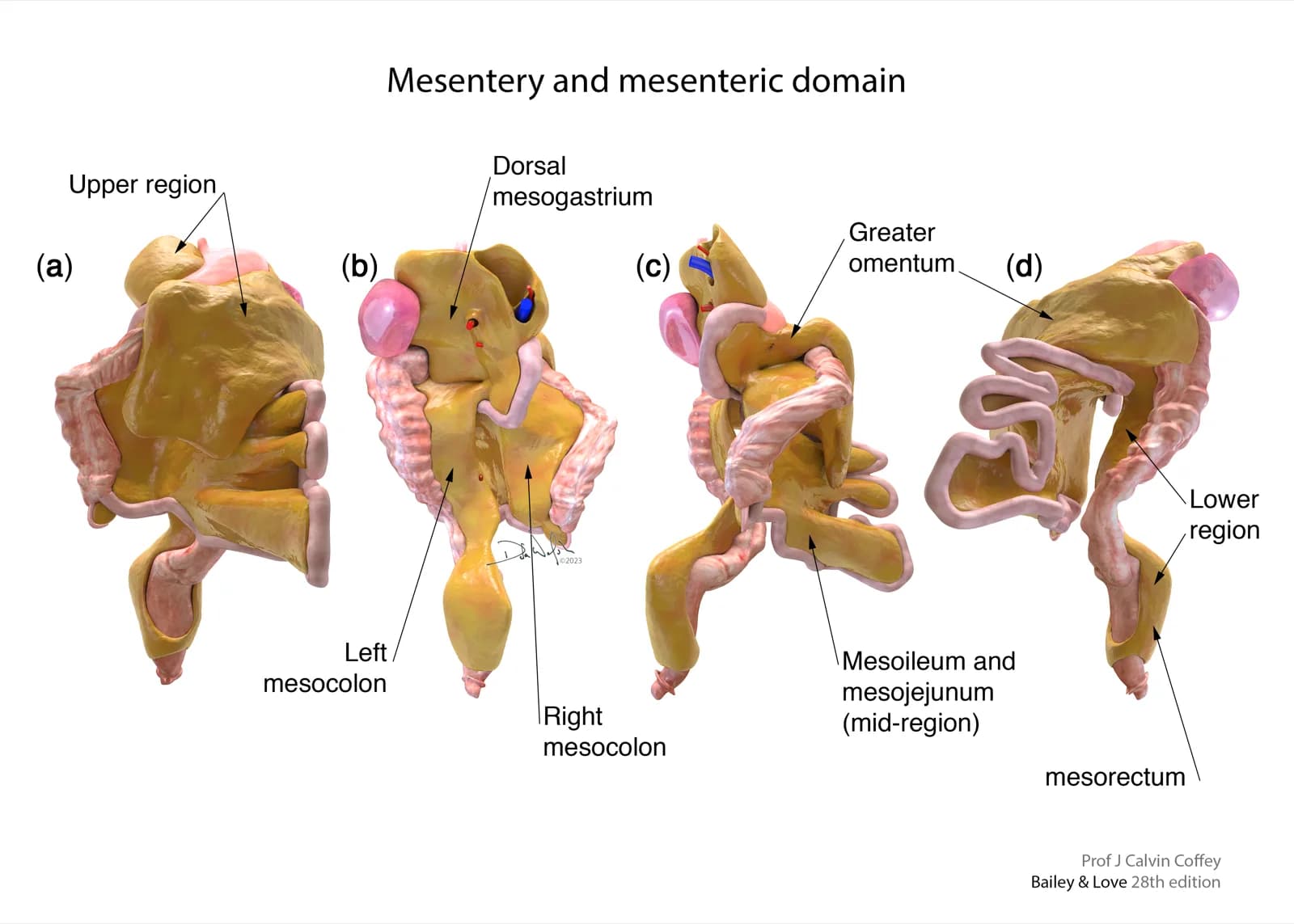
The research programme began with a detailed exploration of embryology, establishing a developmental basis for understanding the mesentery as a continuous structure. This early phase focused on anatomical origin, differentiation, and positional development, forming the conceptual framework for later stages of research.
This embryological grounding was critical in shaping subsequent investigative stages, ensuring that later findings could be interpreted within a coherent developmental model rather than as isolated observations.
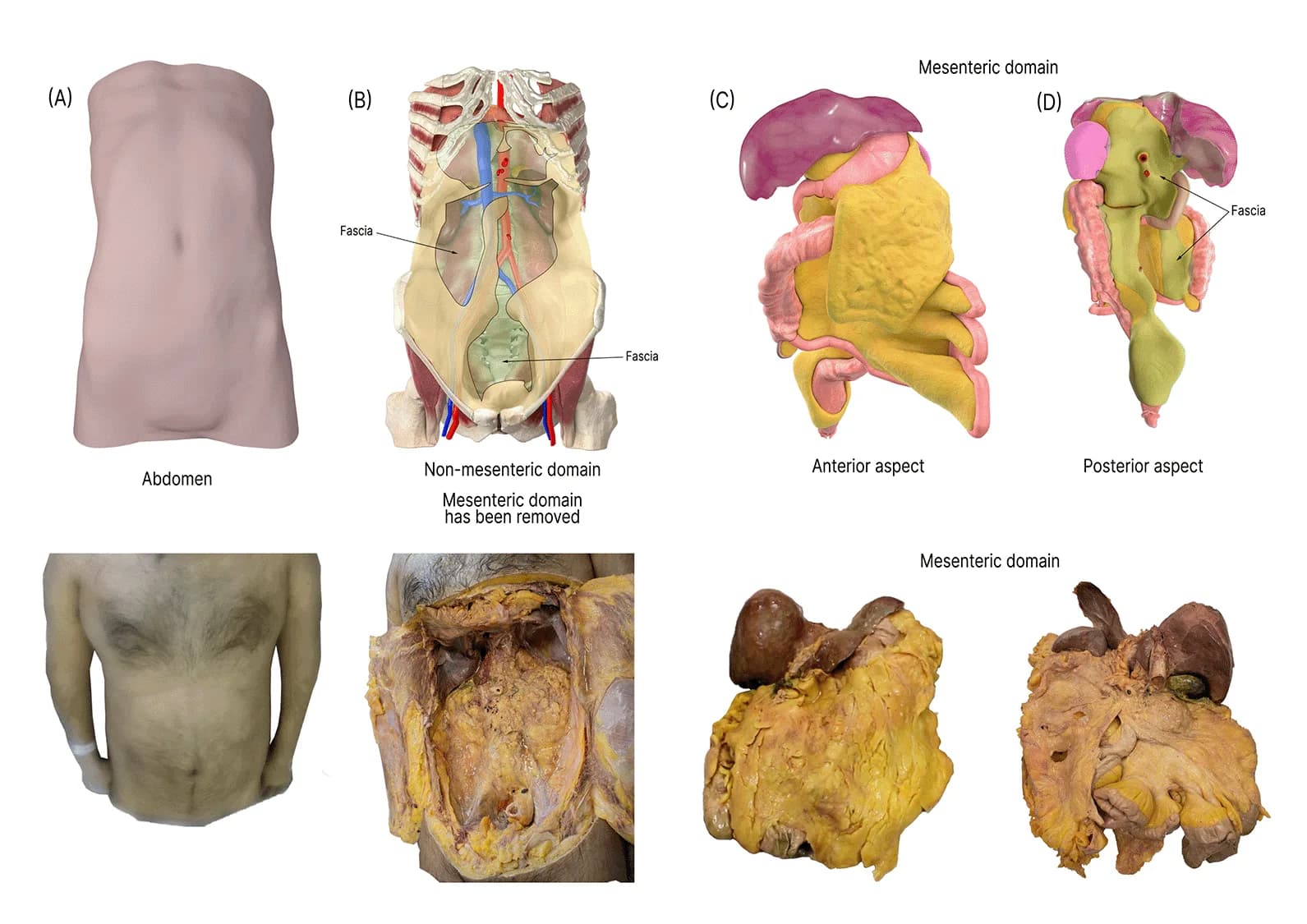
Following embryological analysis, the research expanded into cadaveric dissection, allowing direct anatomical validation of developmental concepts. Cadaver studies provided high resolution insight into structural continuity, fascial planes, and anatomical relationships not fully appreciable through imaging alone.
This phase required careful documentation and comparison across specimens, enabling the research team to test hypotheses derived from embryology against consistent physical findings. Digital capture and organisation of anatomical material played an important role in maintaining longitudinal continuity across years of study.
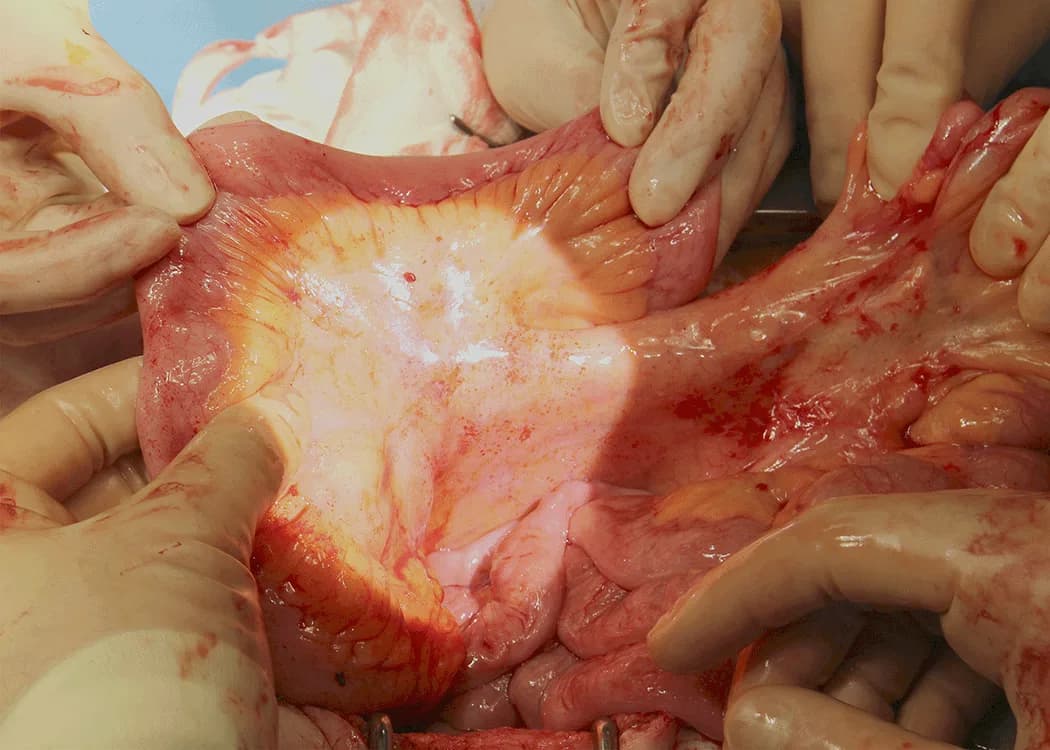
As the research progressed, intraoperative video recordings became a critical source of real world anatomical evidence. Live surgery provided dynamic, functional confirmation of anatomical principles previously observed in cadavers, allowing structures to be examined in situ under physiological conditions.
These recordings required careful handling, editing, and categorisation to support both research and education. Video material was reviewed frame by frame where necessary, enabling detailed analysis of anatomical planes, vascular relationships, and surgical access routes. This step bridged classical anatomy with modern surgical practice.
The next major research phase incorporated medical imaging, particularly CT scans, to correlate anatomical findings with radiological appearances. This allowed anatomical continuity and structural relationships to be identified non invasively across large patient populations.
Imaging analysis strengthened the translational value of the research, making findings applicable beyond the operating theatre and dissection room. It also facilitated comparison between normal anatomy and pathological change, reinforcing the clinical relevance of the work.
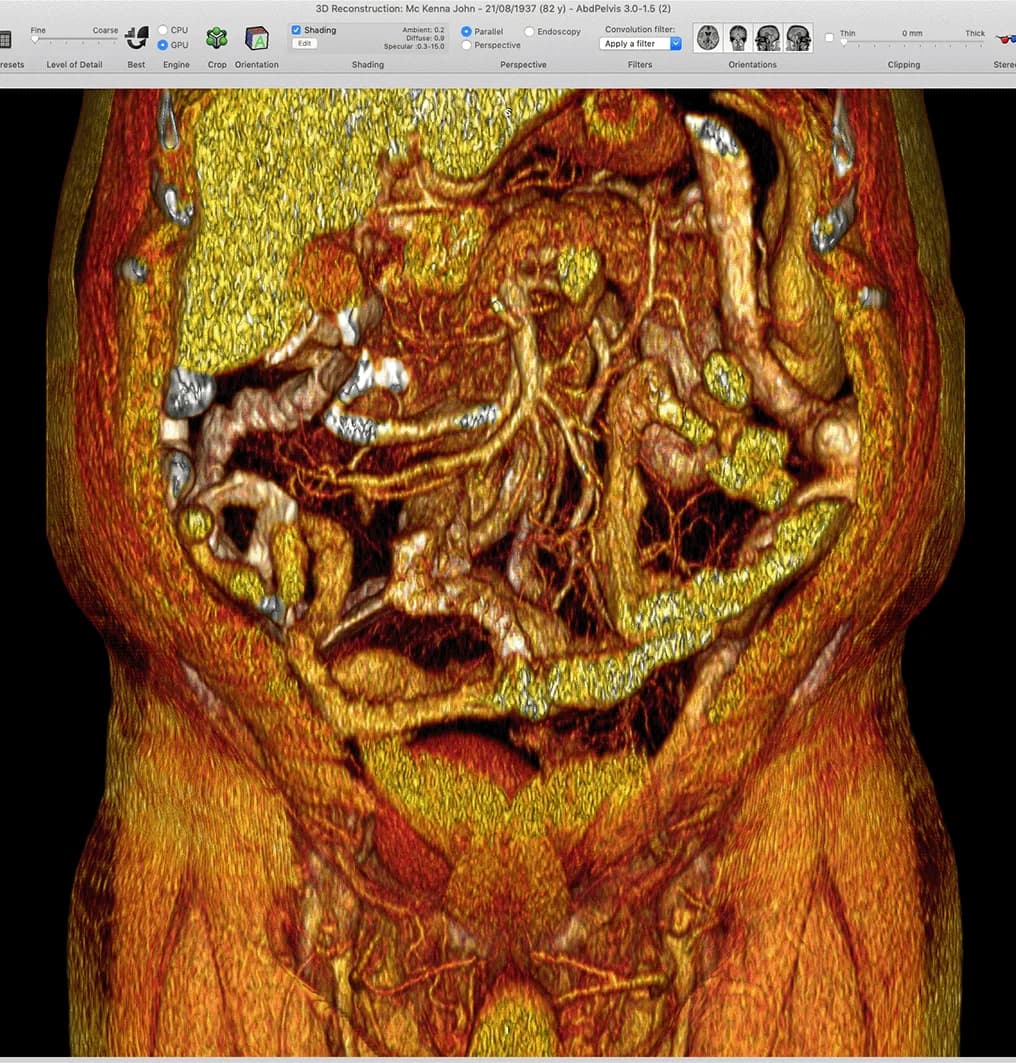
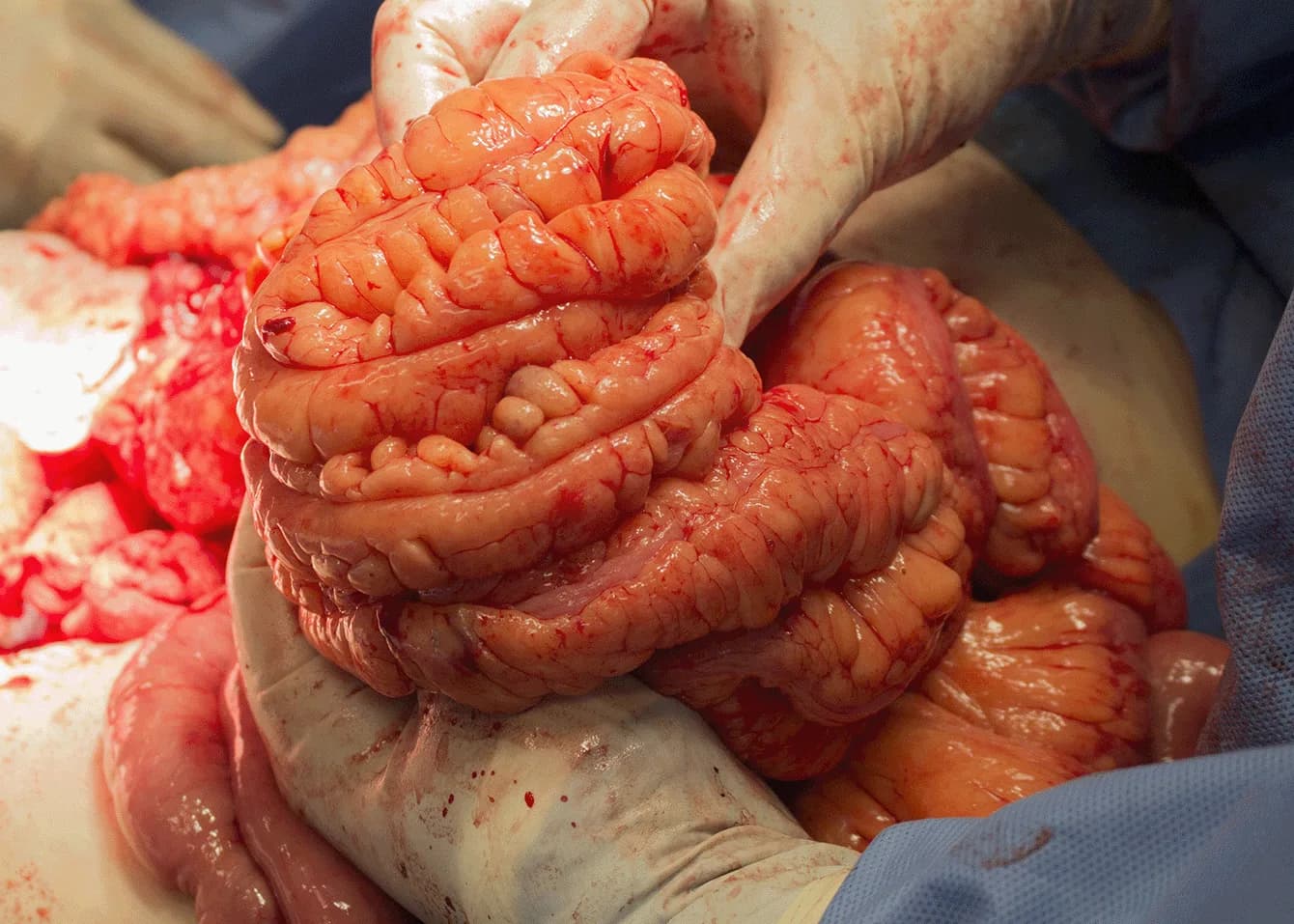
Building on anatomical and imaging foundations, the research expanded into disease specific analysis, examining how pathological processes affect mesenteric structure and function. This phase linked anatomy directly to surgical decision making, outcomes, and disease progression.
Understanding disease through the lens of a consistently defined mesenteric structure allowed for clearer interpretation of surgical findings and helped standardise anatomical language across clinical disciplines.
A defining strength of this project is its longevity. Over more than 14 years, data has been accumulated from multiple sources, disciplines, and technologies. Maintaining consistency across evolving research tools required structured digital organisation, careful versioning, and repeatable analysis processes.
The ability to integrate embryology, cadaveric study, surgical footage, imaging, and disease research into a single coherent body of work demonstrates advanced research coordination and long term data stewardship.
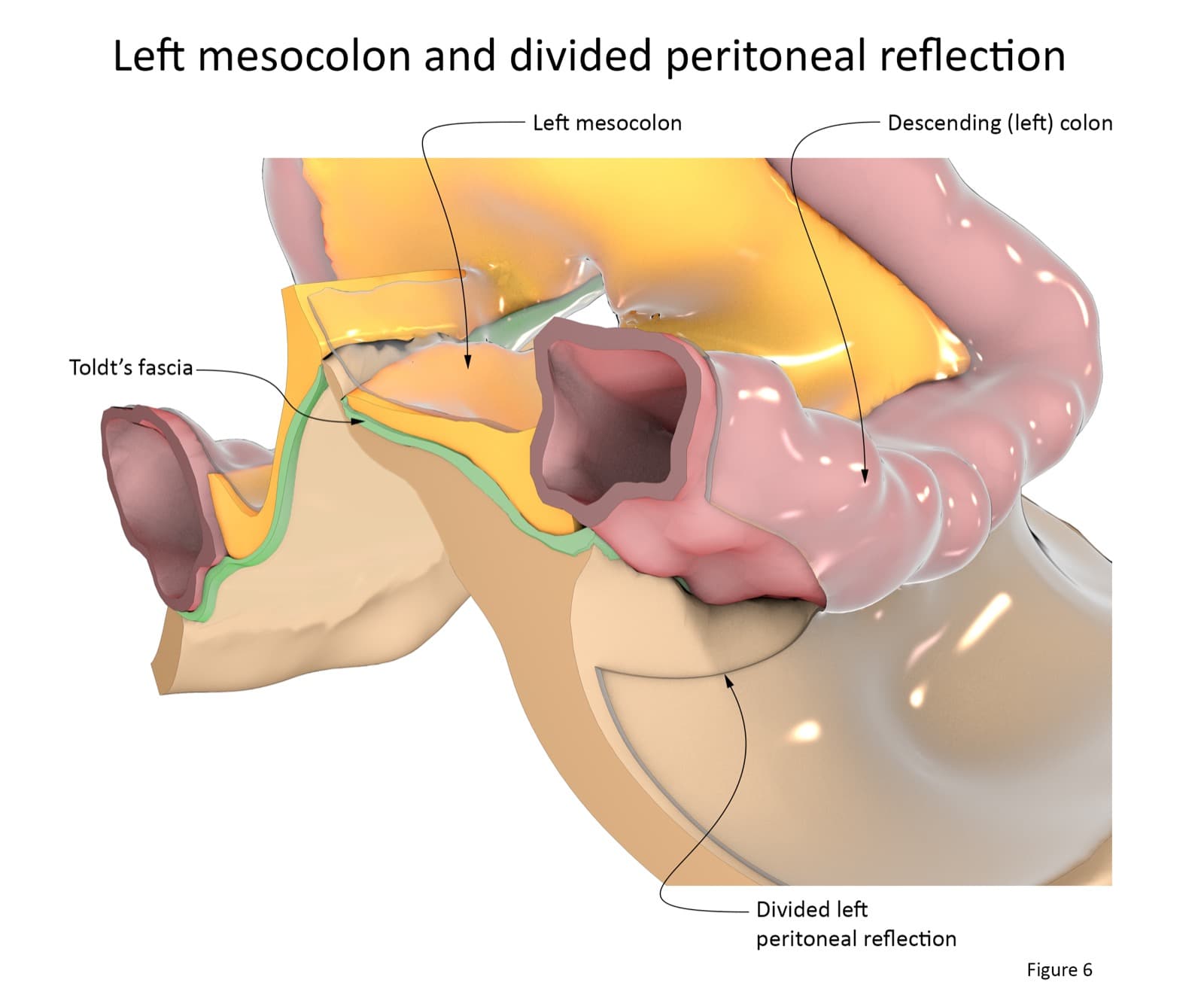
Findings from the research have been used to support education at multiple levels, including medical students, surgical trainees, and consultants. Material derived from this programme has been adapted for teaching, presentation, and professional discussion, ensuring that new anatomical insights are translated into clinical understanding.
The combination of traditional anatomy with modern surgical and imaging evidence provides a powerful educational model, reinforcing anatomy as a living, clinically relevant discipline rather than a static subject.
My involvement in this project supports the technical enablement, digital handling, and educational presentation of a complex, multi phase research programme. The work demonstrates the ability to sustain high quality research across long timeframes, adapt to evolving technological tools, and preserve coherence across diverse data sources.
Mesentery: Advanced Anatomical Research represents a rare example of sustained anatomical investigation that evolves from foundational science to applied clinical relevance, and it forms a strong pillar within my professional portfolio at the intersection of research, surgery, education, and digital systems.